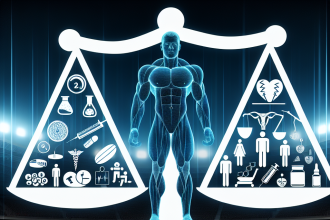
Testosterone, often regarded as the primary male sex hormone, plays a significant role in various bodily functions, including metabolism. Understanding how testosterone influences metabolism can provide insights into weight management, muscle growth, and overall health.
If you want uk steroids shop, our range will convince you.
The Role of Testosterone in Metabolism
Testosterone affects metabolism in several key ways:
- Muscle Mass Maintenance: Testosterone helps in the development and maintenance of muscle mass. Increased muscle mass boosts basal metabolic rate (BMR), meaning that the body burns more calories at rest.
- Fat Distribution: Testosterone influences where fat is stored in the body. Higher levels can decrease fat accumulation, particularly in the abdominal area, leading to a healthier body composition.
- Insulin Sensitivity: Testosterone improves insulin sensitivity, which is crucial for effective glucose metabolism. This can help in controlling blood sugar levels and reducing the risk of type 2 diabetes.
- Energy Levels: Adequate testosterone levels can enhance energy and vitality, motivating individuals to engage in physical activities, which in turn aids in weight management.
Conclusion
In conclusion, testosterone is a powerful hormone that significantly impacts metabolism. Maintaining healthy testosterone levels can support muscle growth, enhance fat distribution, improve insulin sensitivity, and increase energy levels. For those looking to optimize their metabolic health, understanding the role of testosterone is essential.